
The manufacturing industry is in the midst of a technological revolution. Industry 4.0, driven by cutting-edge technologies like the Internet of Things (IoT), Big Data, and Artificial Intelligence (AI), is transforming traditional factories into smart, efficient, and data-driven powerhouses. One of the most remarkable advancements within this paradigm shift is Generative AI, a powerful tool that is reshaping the way products are designed, produced, and optimized. In this article, we will explore the role of Generative AI in manufacturing, how it works, and the numerous benefits it brings to the industry.
Understanding Generative AI
Generative AI is a subset of artificial intelligence that focuses on creating data, content, or even physical objects. It operates on the principle of learning from existing data and then generating new, original content or designs. In manufacturing, Generative AI utilizes machine learning algorithms to autonomously create, modify, and optimize product designs and production processes.
The Genesis of Generative AI in Manufacturing
The adoption of Generative AI in manufacturing is a product of the convergence of several technological trends. These trends include:
- Big Data: Manufacturing generates enormous amounts of data, from production processes to supply chain management. Generative AI leverages this data to identify patterns, make predictions, and optimize processes.
- Computing Power: The exponential growth of computing power has enabled AI algorithms to process data at an unprecedented scale, allowing for the complex calculations required by Generative AI.
- IoT Sensors: The proliferation of IoT sensors in manufacturing facilities provides real-time data that Generative AI can use for decision-making and process optimization.
- Advancements in Machine Learning: Continuous improvements in machine learning algorithms have made Generative AI more sophisticated and capable.
How Generative AI Transforms Manufacturing
- Product Design Optimization: Generative AI assists engineers and designers in creating more efficient and innovative product designs. It explores a wide range of design possibilities, taking into account parameters like materials, costs, and performance constraints. This results in products that are not only functional but also cost-effective.
- Supply Chain Optimization: By analyzing data from suppliers, logistics, and production processes, Generative AI can optimize the supply chain. It predicts demand, reduces lead times, and minimizes costs.
- Quality Control: Generative AI is used for quality control by analyzing production data and identifying defects or inconsistencies in real-time. This reduces waste and ensures the highest quality products are manufactured.
- Energy Efficiency: Manufacturing facilities can use Generative AI to optimize energy consumption by fine-tuning processes and equipment. This not only reduces operational costs but also minimizes the environmental impact.
- Customization: In the era of mass customization, Generative AI enables the cost-effective production of customized products. It tailors designs to individual customer preferences while maintaining efficiency.
Real-World Applications of Generative AI in Manufacturing
- Aerospace Industry: Generative AI is used to design and optimize complex aerospace components, such as aircraft engines and parts. These designs are often intricate and require a deep understanding of materials and aerodynamics.
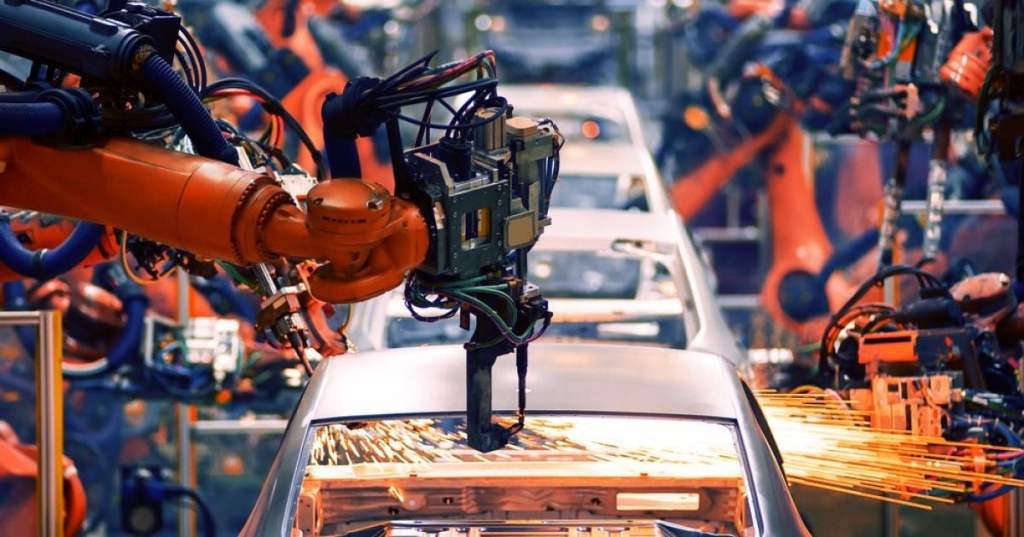
- Automotive Industry: Car manufacturers employ Generative AI to design vehicle components, from engine parts to car bodies. It helps reduce vehicle weight while maintaining structural integrity, resulting in more fuel-efficient and environmentally friendly cars.
- Pharmaceuticals: The pharmaceutical industry utilizes Generative AI in drug discovery and development. It accelerates the process of finding new drug candidates by simulating molecular interactions and predicting their efficacy.
- Electronics Manufacturing: Generative AI is used to design circuit boards and optimize the placement of components. This leads to more efficient and compact electronic devices.
- Consumer Goods: In the consumer goods sector, Generative AI assists in creating aesthetically pleasing and functional products. From smartphones to home appliances, the possibilities are endless.
The Advantages of Generative AI in Manufacturing
- Cost Reduction: Generative AI helps identify cost-effective design and production methods, reducing overall manufacturing costs.
- Time Efficiency: The technology accelerates design and production processes, enabling companies to bring products to market more quickly.
- Waste Reduction: By optimizing processes and designs, Generative AI minimizes waste, resulting in more sustainable manufacturing practices.
- Innovation: It fosters innovation by exploring design possibilities that might not be apparent through traditional methods.
- Enhanced Quality: Generative AI’s real-time quality control ensures that products meet the highest standards.
Challenges and Considerations
- Data Privacy: Handling vast amounts of data raises concerns about data privacy and security. Protecting sensitive information is a paramount concern.
- Training and Expertise: Implementing Generative AI requires skilled personnel who can understand and manage the technology.
- Ethical Concerns: The use of AI in manufacturing may raise ethical concerns, especially regarding job displacement and intellectual property rights.
- Interoperability: Ensuring that various AI systems and manufacturing equipment can communicate and work together seamlessly can be a challenge.
Future Possibilities
As Generative AI continues to evolve, it opens up numerous exciting possibilities for manufacturing:
- Unprecedented Customization: Consumers can expect even more personalized products, tailored to their unique needs and preferences.
- Sustainability: Generative AI can further enhance sustainability efforts by optimizing designs for recycling and reducing environmental impact.
- Human-Machine Collaboration: The future might see a closer collaboration between AI and human workers, where AI assists in design and decision-making processes.
- Global Connectivity: Generative AI can facilitate global collaboration in manufacturing by enabling remote design and production through cloud-based platforms.
Conclusion
Generative AI is a revolutionary force in manufacturing, ushering in an era of smarter, more efficient, and sustainable production. It empowers companies to optimize their processes, reduce costs, and offer unprecedented levels of customization. While challenges and considerations exist, the benefits of Generative AI in manufacturing are undeniable. As the technology continues to advance, it promises a future where manufacturing is not only more profitable but also more environmentally responsible and consumer-centric. With Generative AI, manufacturing has truly entered the fourth industrial revolution, and the possibilities are limitless.
Source Url: https://www.leewayhertz.com/generative-ai-in-manufacturing/
 Development Services